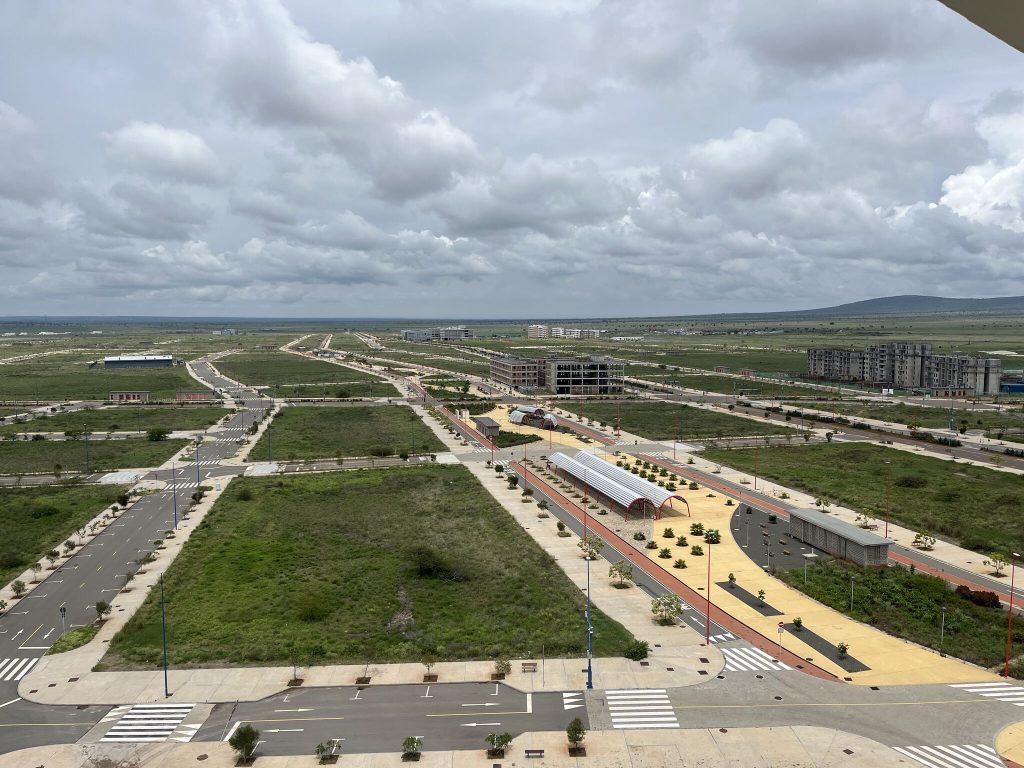
As we move through 2026, Konza Technopolis has transitioned from a visionary blueprint into a functioning engine of Kenya’s digital economy. Often referred to as the “Silicon Savannah,” this flagship project of Kenya Vision 2030 is no longer just a construction site—it is a live showcase of smart city integration and sustainable urban development.
The completion of Phase 1 Horizontal Infrastructure marks a definitive turning point. Spanning over 400 acres, the city now boasts 40 kilometers of smart, landscaped roads and a 120MW substation. More impressively, it features East Africa’s first vacuum-based solid waste collection system, underscoring the city’s commitment to high-tech sustainability.
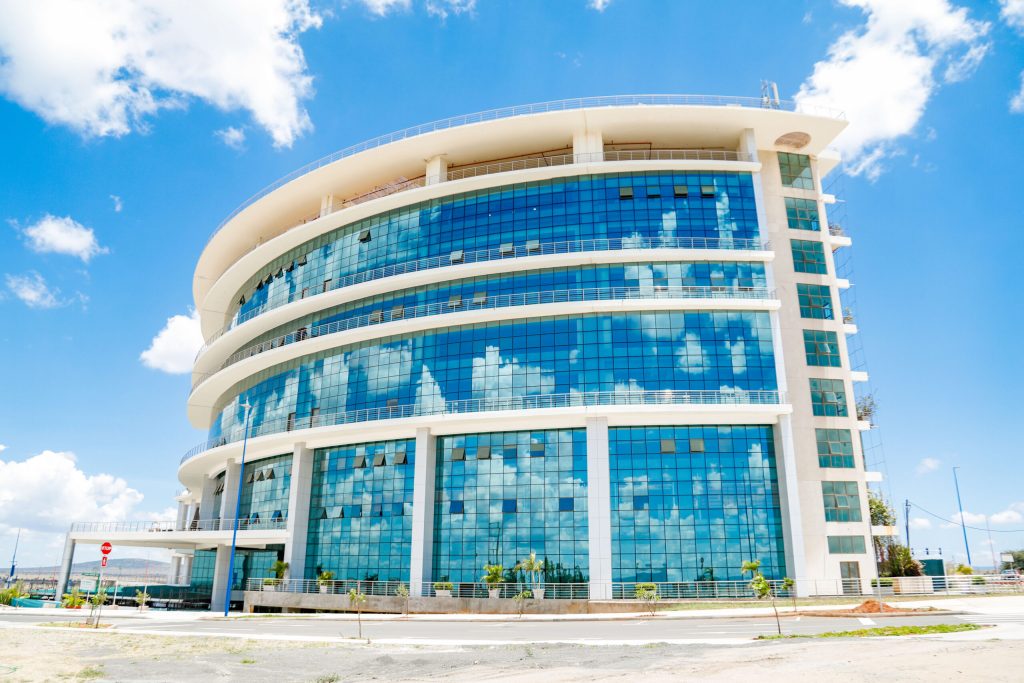
The Hub of Data and Innovation
At the heart of the technopolis is the National Data Center, a Tier III facility that has become the backbone of Kenya’s digital sovereignty. It provides secure cloud services and colocation for both government agencies and private enterprises. This infrastructure is further bolstered by:
- The Kenya Advanced Institute of Science and Technology (Kenya-AIST): Modeled after South Korea’s KAIST, this institution is now preparing for its academic launch in late 2026, aiming to produce a new generation of STEM specialists.
- Digital Media City: Supported by a $284 million financing agreement with South Korea, this project is positioning Konza as a regional powerhouse for the creative economy and digital broadcasting.
Global Recognition and Green Energy
In early 2026, Konza was recognized by the New7Wonders “7 Wonders of Future Cities” initiative, placing it among a select group of global urban developments noted for long-term sustainability and innovation. To remain competitive against rivals like the Olkaria geothermal hub, Konza has sharpened its “green” value proposition, integrating renewable energy and smart water reclamation to attract ESG-conscious hyperscale investors.
With over 80% of Phase 1 investment parcels already taken up, the focus has shifted to Phase 2 and 3. Konza is proving that with the right mix of public-private partnerships (PPPs) and digital infrastructure, the future of African urban living isn’t just coming—it’s already online.