Every June 1, Kenyans pause to commemorate Madaraka Day, the day in 1963 when Kenya attained internal self-rule from British colonial administration. The Swahili word “Madaraka” translates to “self-governance” or “authority,” marking a pivotal step toward full independence on December 12, 1963. This national holiday honors the sacrifices of freedom fighters and leaders like Jomo Kenyatta, who became the first Prime Minister.
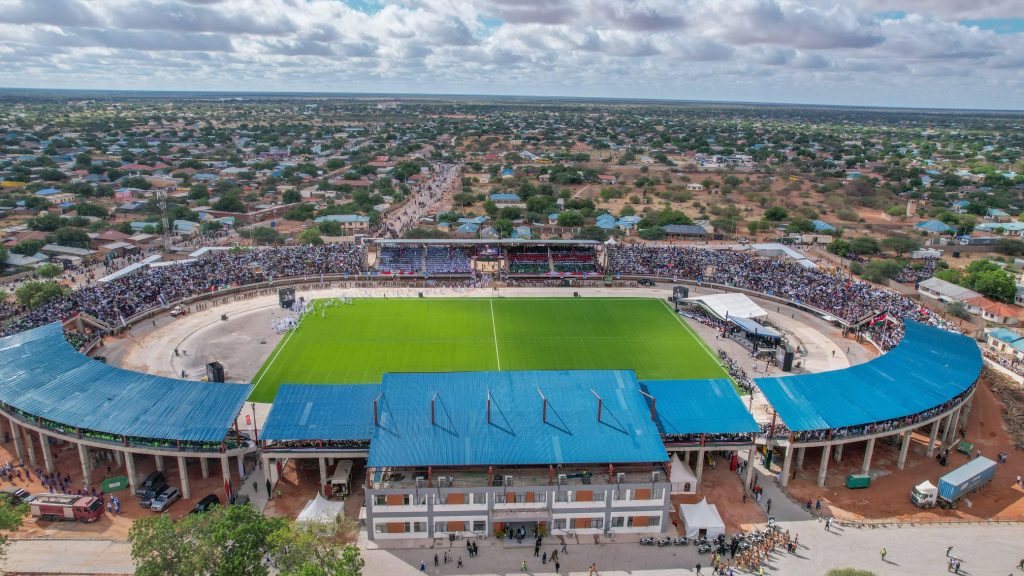
In 2026, Madaraka Day holds special significance as Wajir County in North Eastern Kenya hosts the national celebrations for the first time. Thousands gathered at the newly constructed 10,000-seater Wajir Stadium, a state-of-the-art facility built in record time for approximately Sh900 million. President William Ruto led the event, joined by national leaders, marking a powerful symbol of national unity and the government’s commitment to balanced regional development.
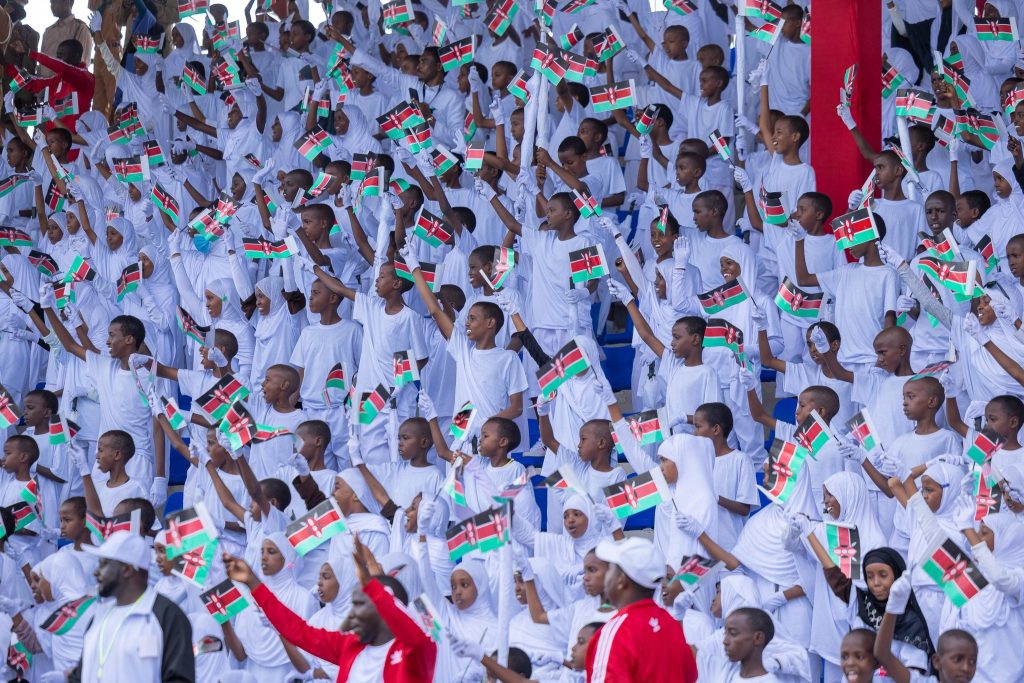
The atmosphere in Wajir was electric. Early morning events at the stadium featured a grand military parade by the Kenya Defence Forces, complete with fly-pasts by fighter jets. Cultural performances by local artists, youth groups, and traditional dancers showcased the rich Somali-influenced heritage of the region, blending colorful attire, poetry, and rhythms that reflect Wajir’s resilience and hospitality.
This year’s theme, “Education: Skills and the Future,” emphasized human capital development. President Ruto acknowledged historical marginalization in Northern Kenya, referencing past policies that favored other regions, and pledged greater equity. Key announcements included integrating local Madrassa and Duksi schools into the national education system and plans to rename the stadium after the late MP Ahmed Khalif.
Residents expressed immense pride. Streets adorned with Kenyan flags buzzed with excitement. Local leaders highlighted improved infrastructure—well-lit roads, enhanced airport facilities, and better connectivity—as evidence of ongoing transformation. For many in Wajir, hosting Madaraka Day represents recognition and inclusion after years of being on the periphery.
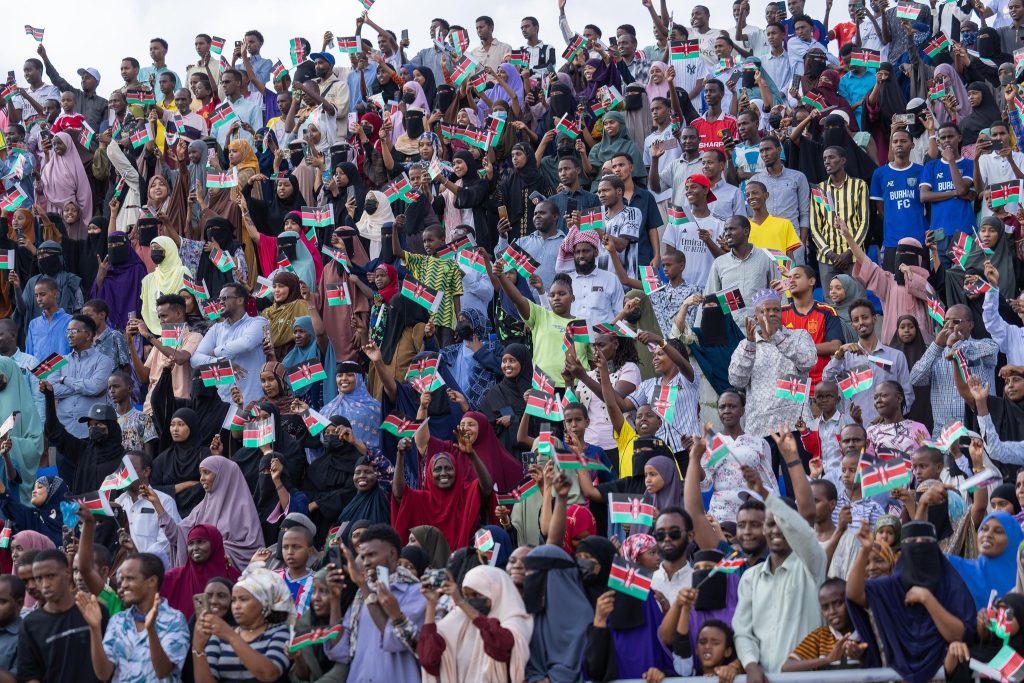
Wajir, known for its arid landscapes, camel herding, and vibrant markets, demonstrated to the nation its potential and unity. The celebrations went beyond pomp and pageantry; they highlighted progress in peace, education, and economic opportunities in Northern Kenya.
As Kenya reflects on 63 years of self-governance, Wajir 2026 stands as a beacon of Harambee—pulling together. It reminds us that true Madaraka thrives when every region contributes to and benefits from the national journey. In the words of many locals, this is not just a celebration—it is a promise of a more equitable future.
Whether through military precision, cultural splendor, or forward-looking speeches, Madaraka Day in Wajir will be remembered as a historic chapter in Kenya’s story of unity in diversity.