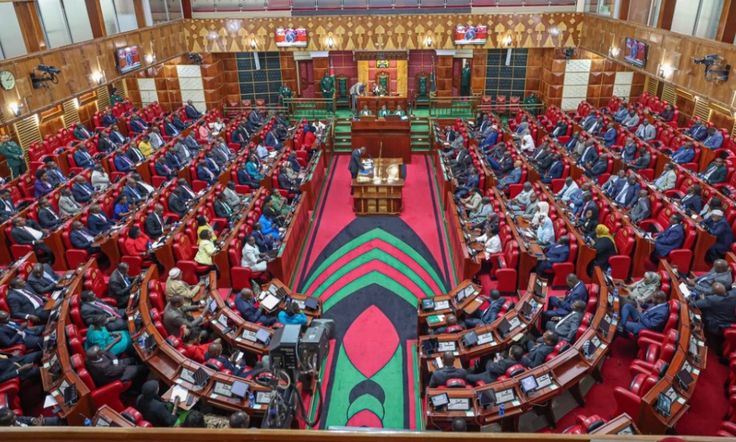
The National Assembly has approved the sale of a 15% government stake in Safaricom PLC to Vodacom Group. This transaction, valued at approximately Kshs 204 billion (with some reports citing up to Kshs 244 billion depending on final pricing), marks a major step in the government’s strategy to raise funds amid fiscal pressures. The deal involves the Kenyan government offloading about 6 billion shares—equivalent to 15% of Safaricom—from its current roughly 35% holding, at around Kshs 34 per share. Vodacom, already Safaricom’s largest shareholder with a 40% stake (through Vodafone), will increase its ownership to approximately 55%, gaining effective control of the East African telecom giant. The approval came after a joint report from the parliamentary committees on Finance and National Planning, and Public Debt and Privatisation, tabled in March 2026.
Proponents highlight the deal’s benefits. The proceeds will bolster the newly established National Infrastructure Fund, supporting critical projects in roads, energy, digital connectivity, and other development priorities. Regulators, including the Capital Markets Authority and Competition Authority, have deemed the price competitive for a block sale, and the transaction aligns with broader efforts to streamline state assets while maintaining Safaricom’s status as a Kenyan-listed company. Parliamentary amendments ensured safeguards, including no job losses for employees and protections for local business partners, addressing concerns about workforce impacts. However, the decision sparked debate.
Opposition MPs, including figures like Ndindi Nyoro, argued the stake was undervalued, claiming Kenyans received a suboptimal deal and raising questions about long-term national control over a strategic asset like Safaricom—Kenya’s leading mobile operator and M-Pesa pioneer, which dominates financial inclusion and connectivity across the region. Critics worried about foreign influence, particularly as Vodacom (a South African entity backed by Vodafone) consolidates power, though supporters emphasized that the government retains a substantial 20% stake for ongoing influence.
This parliamentary green light clears a key hurdle following earlier regulatory nods, including from COMESA. The sale, first announced in late 2025, reflects Kenya’s push to manage debt while leveraging private capital for growth. For Safaricom, deeper integration with Vodacom could accelerate regional expansion, including in Ethiopia, and enhance operational synergies. Overall, while the move promises immediate fiscal relief and infrastructure investment, it underscores ongoing tensions between privatization, national sovereignty, and economic pragmatism in Kenya’s evolving telecom landscape. As the deal proceeds, stakeholders will watch closely for its impact on service quality, innovation, and shareholder value.
