Kenya has long been a global leader in digital finance. From M-Pesa’s transformative launch in 2007 to today’s booming fintech ecosystem, we’ve shown the world how technology can drive financial inclusion. Now, the next big leap is here: Open Banking. As the Central Bank of Kenya (CBK) advances its Open Finance framework—with full compliance targeted around 2026-2027—businesses and consumers stand on the cusp of a more connected, efficient, and innovative financial future.
What is Open Banking?
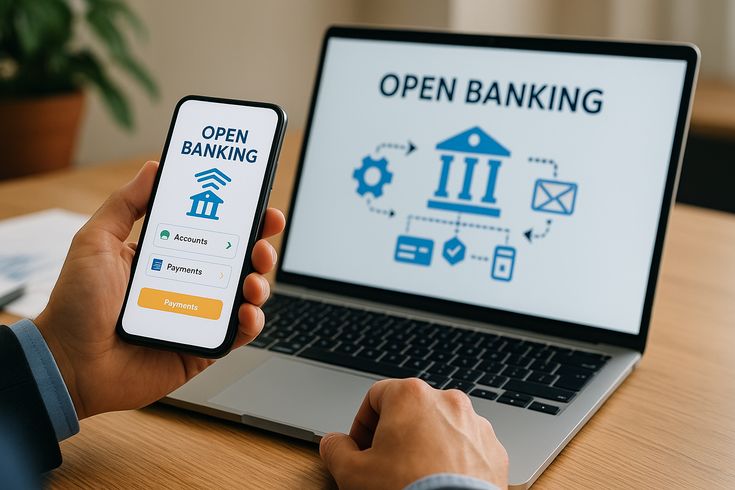
Open Banking uses secure APIs to let customers share their financial data with trusted third-party providers—with explicit consent. Banks, mobile money operators, and fintechs can exchange account information, transaction history, and payment capabilities in real time. This isn’t just about data sharing; it’s about creating seamless experiences that put customers in control. In Kenya, Open Banking builds directly on our strengths: 84.8% adult financial inclusion, interoperable digital payments, and a vibrant fintech scene. The CBK’s National Payments System Vision and Strategy has laid the groundwork, encouraging API standards and data portability across banks, SACCOs, mobile money, and fintech platforms. Pilot projects and industry consultations are already shaping a hybrid regulatory model that balances innovation with robust consumer protection under the Data Protection Act.
Key Trends Shaping the Future
By 2030, global Open Banking is projected to fuel explosive growth in embedded finance—where payments, loans, and insurance are seamlessly woven into everyday apps and platforms. In Kenya, this means a farmer in Kisumu could apply for credit directly through their agrotech app, or a Nairobi retailer could offer instant BNPL options at checkout. AI will supercharge these services, delivering hyper-personalized insights, predictive cash-flow forecasts, and real-time fraud detection.Open Finance will expand beyond banking data to include savings, investments, and insurance. Competition will intensify, breaking down silos between big banks and agile fintechs. Consumers gain choice and lower costs; businesses unlock faster, cheaper funding and smarter decision-making. For MSMEs—which drive Kenya’s economy—this could mean easier access to working capital and automated reconciliation tools that save hours every week.
Benefits for Kenyan Businesses and Consumers
Imagine instant payment confirmations across M-Pesa, bank accounts, and digital wallets. Real-time data sharing that powers smarter invoicing and credit scoring. Reduced fraud through continuous monitoring. And greater inclusion for the unbanked, as fintechs use consented data to serve underserved segments with tailored products.Challenges remain—data privacy, cybersecurity, and equitable rural adoption—but Kenya’s track record suggests we’ll overcome them through collaboration. The CBK, Kenya Bankers Association, and fintech associations are already fostering the right ecosystem.
Pay Hero Kenya: Ready for the Open Banking Era
At Pay Hero Kenya, we’ve been building payment infrastructure since 2020 precisely for this moment. Our platform already automates collections from anyone, anywhere—delivering funds to your Bank, Paybill, or Till up to 5x faster. Real-time dashboards, instant SMS alerts, automated reconciliation, and developer-friendly APIs let businesses focus on growth instead of chasing payments.As Open Banking matures, Pay Hero will integrate directly with these secure data-sharing frameworks. Businesses using our system will gain richer transaction insights, seamless embedded payment options, and AI-powered tools for smarter cash-flow management. Whether you run an online store, physical shop, or SaaS platform, Pay Hero positions you to thrive in an open ecosystem—collecting faster, reconciling effortlessly, and serving customers better.
The Road Ahead
Open Banking isn’t a distant vision; it’s Kenya’s next fintech milestone. With regulatory momentum building toward 2026 implementation, the time to prepare is now. Businesses that embrace open, API-driven payments today will lead tomorrow’s market.

Thanks for taking the time to break this down step-by-step.
Thank you so much.