In the recent world of Software as a Service (SaaS), the traditional “Sales-Led” model is facing a formidable challenger. From Silicon Valley to Nairobi’s Silicon Savannah, a new philosophy is dominating the boardroom: Product-Led Growth (PLG).
PLG is simple: the product itself is the primary vehicle for acquiring, keeping, and growing customers. Instead of a sales pitch being the first touchpoint, the user’s experience with the software acts as the salesperson.
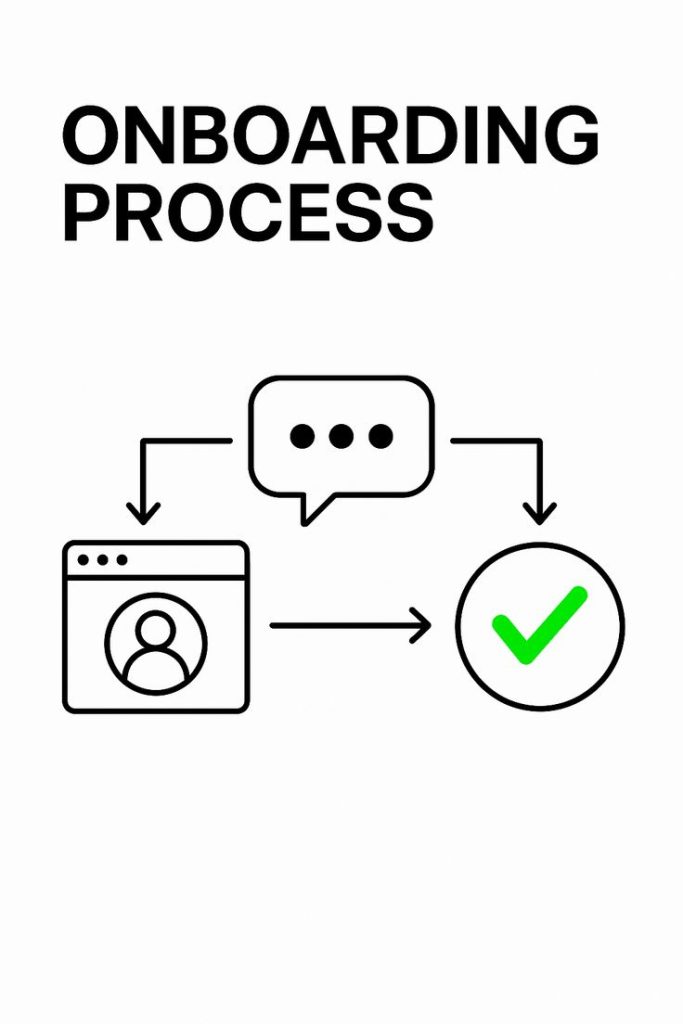
Here is why PLG has become the “gold standard” for the industry:
The Rise of the “Consumerized” B2B Buyer
Modern professionals have grown accustomed to the seamless experiences of platforms like Netflix, Uber, and WhatsApp. They no longer want to sit through a 30-minute discovery call or wait weeks for a custom quote. They want to sign up, log in, and see value immediately.
PLG caters to this “try-before-you-buy” mentality by offering freemium or trial tiers that remove the friction of entry, allowing the product to prove its worth in real-time.
Key Metric: In a PLG world, “Time to Value” (TTV) is the only metric that truly matters. If a user cannot solve a problem within their first five minutes, they are likely already lost.
Superior Unit Economics
Traditional growth is expensive. Hiring sales teams and running massive lead-generation campaigns creates a high Customer Acquisition Cost (CAC). In contrast, PLG leverages the product to do the heavy lifting.
When a product is built for self-service, the $CAC$ remains relatively stable even as the user base grows. This leads to a healthier $LTV/CAC$ ratio—the ultimate indicator of a sustainable SaaS business.
Built-In Virality and Expansion
The best PLG products are “sticky” and collaborative. For example, when one person uses a payment link or a collaborative dashboard, they naturally invite colleagues or partners into the ecosystem to complete a task. This creates a “flywheel effect” where the product grows itself through word-of-mouth and network effects.
- Scalability: PLG allows companies to support thousands of users without needing to hire thousands of support or sales staff.
- Faster Feedback Loops: Having more users on the platform earlier provides a mountain of data on what works, allowing for rapid product iteration.
- Global Reach: A product-led tool isn’t limited by a sales team’s time zone; anyone can sign up at any time from anywhere in the world.
Alignment with Customer Success
In a sales-led model, success is often measured by “closing” a deal. In a PLG model, success is measured by “usage”. This forces software companies to build better, more intuitive products. If the product isn’t good, users simply stop using it, and the growth stops. This alignment ensures that only the most useful tools survive and thrive.
The Future is Product-Led
For fintech providers and SaaS startups alike, PLG isn’t just a strategy—it’s a competitive necessity. By focusing on user experience and lowering the barriers to entry, companies can build loyal user bases that grow organically.
At Pay Hero Kenya, we see PLG as the bridge between powerful financial technology and the people who need it most. The product isn’t just a tool; it’s the engine of our growth.
