The Small and Medium Enterprises (SMEs) operate as critical nodes in supply chains and local economies, often managing sensitive customer data, financial records, intellectual property, and compliance obligations under frameworks like Kenya’s Data Protection Act. Yet many still rely on rudimentary controls — default configurations, unpatched systems, and passwords like “Password123” that can be cracked in seconds using commodity tools such as Hashcat or John the Ripper. This weak posture makes SMEs prime targets: they hold valuable data with disproportionately low security maturity. Threat actors exploit this asymmetry through automated scanning, ransomware-as-a-service, and refined social engineering campaigns. Reports indicate over 40% of cyberattacks now target small businesses, with successful breaches frequently resulting in operational downtime, regulatory fines, and in some cases, permanent closure.
The attack surface has expanded with cloud adoption, remote work, and mobile money integrations like M-Pesa. Vulnerabilities in web applications, misconfigured cloud storage, and phishing remain dominant entry points. In Kenya and across Africa, digital transformation has coincided with a sharp rise in incidents, including business email compromise and ransomware demands. The cost? Not just immediate ransom — but recovery, lost revenue, and reputational damage that can cripple a growing enterprise.
Picture a typical Monday at your hub Nyeri. Orders are flying, the team is stretched, and the owner receives this email:
“We hold sensitive date and await your response to discuss a secure bounty settlement and vulnerability report.”
Yes, “date” instead of “data” — the cyber equivalent of turning up in flip-flops to a board meeting. The message claims discovery of a critical vulnerability, includes what look like legitimate screenshots, and offers a “responsible disclosure” path via a modest bounty payment. Panic sets in. With a major client deadline looming, the temptation to click the attachment or reply hastily is real.
This is a textbook social engineering attack blending elements of phishing, bluffing, and urgency. In reality, the attacker likely scraped publicly available information (company website, social media, WHOIS data) and was testing for a quick payout or credential harvest. Fortunately, a quick-thinking team member flagged the poor grammar, suspicious domain, and lack of verifiable proof. Crisis averted — but not every SME is that lucky.
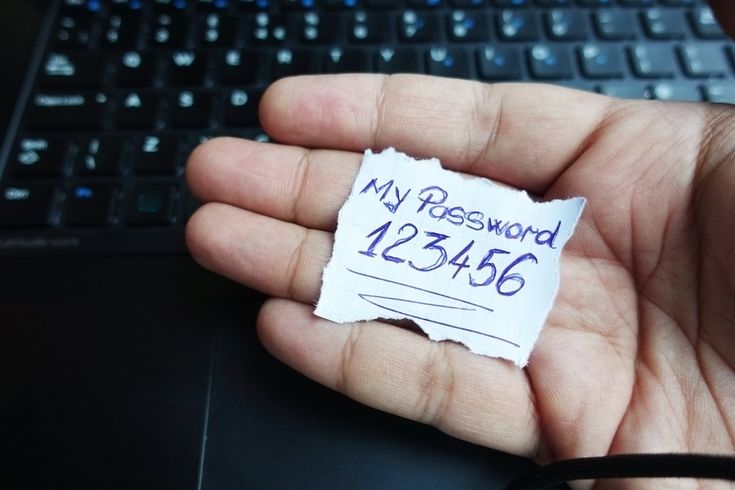
These incidents succeed because they exploit human psychology under business pressure. One weak password like “Password123” (still used by far too many employees because “it’s easy to remember”) can be the difference between resilience and ransom.
Practical Defenses That Actually Work
You don’t need a million-shilling security operations center to stay safe. Focus on high-impact fundamentals:
- Multi-Factor Authentication (MFA): Enforce it everywhere — email, cloud portals, banking, and admin consoles. Prioritize phishing-resistant methods (app-based or hardware keys) over SMS. This single control stops the vast majority of automated credential-stuffing attacks.
- Password Hygiene: Ditch “Password123” forever. Deploy a password manager (Bitwarden or similar) and enforce unique, complex credentials with least-privilege access.
- Patch Management: Regularly update operating systems, applications, and firmware. Known exploited vulnerabilities are low-hanging fruit for attackers.
- Backups (The 3-2-1 Rule): Maintain three copies on two different media types, with one immutable and offsite. Test restores quarterly — because a backup you can’t restore is just an illusion of safety.
- Endpoint Protection and Training: Use modern EDR solutions and run regular phishing simulations. Turn security awareness into a light-hearted team game with small rewards for spotting fakes.
- Network Basics: Segment critical systems, use VPNs for remote access, and monitor logs for anomalies.
Humor helps adoption. Laugh about how explaining a breach caused by “Password123” to your bank manager would feel — then fix it before it happens.
Cybersecurity for SMEs isn’t about building an impenetrable fortress; it’s about raising the bar high enough that attackers move on to easier targets. Consistent basics — done diligently — block most real-world threats in 2026. Kenyan SMEs are powering economic growth; protecting that momentum with smart, practical security is not optional.
Start this week: audit passwords, enable MFA, and test your backups. Your future self, your customers, and your bottom line will thank you.
When the next poorly spelled “bounty” email arrives, you’ll smile, delete it, and get back to building your business — securely.
